
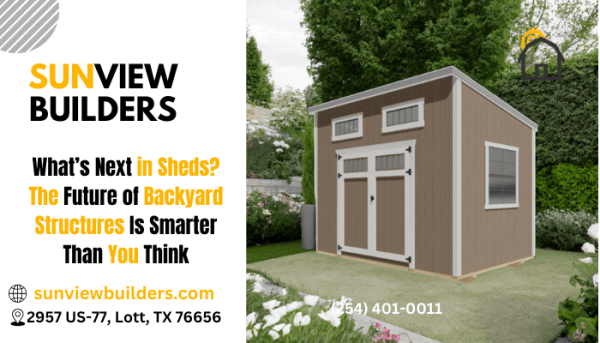
Sheds used to be simple. A small wooden box in the backyard where you throw tools, old furniture, or seasonal clutter. That version of sheds is quickly disappearing.
Today, sheds are evolving into functional spaces that compete with home extensions, studios, and even small commercial units. The next generation of sheds is not just about storage anymore. It is about comfort, flexibility, technology, and lifestyle integration.
So what’s actually next in sheds? Let’s break it down in a practical, real-world way.
What’s Next in Sheds?
Sheds Are Becoming “Multi-Use Spaces” Instead of Storage Units
The biggest shift is purpose. People are no longer building sheds just to store things. They are designing them for how they live.
A single shed can now be:
A home office during the day
A hobby studio in the evening
A storage unit when needed
A small relaxation space on weekends
This flexibility is driving a new kind of shed design where layout matters more than size.
Instead of asking “how big should my shed be,” people are asking:
“How many ways can I use this space?”
Smart Sheds Are Quietly Entering the Market
Technology is slowly making its way into shed design, and it’s not as futuristic as it sounds.
We are already seeing features like:
Motion-sensor lighting
Solar-powered electricity systems
Smart ventilation fans
Temperature and humidity monitoring
Remote-controlled locks
These upgrades are not just for luxury. They solve real problems like heat buildup, security, and usability.
In the near future, sheds will likely connect with smart home systems just like garages and outdoor lighting already do.
Prefabricated and Modular Designs Are Taking Over
What’s next in sheds? Traditional on-site construction is being replaced by faster, more efficient systems.
Prefabricated sheds are becoming popular because they offer:
Faster installation
More predictable quality
Lower labor costs
Easier customization
Modular designs are also growing. These allow owners to expand their shed later instead of rebuilding from scratch.
For example:
Start with a basic storage shed
Add a workspace module later
Attach a porch or side extension when needed
This “build-as-you-grow” approach is becoming a major trend.
Sheds Are Becoming More Comfortable and Livable
Modern sheds are no longer cold, dusty spaces. Comfort is now a design priority.
New sheds often include:
Insulated walls for temperature control
Better flooring systems for heavy use
Improved ventilation for airflow
Larger windows for natural light
Some even include proper interior finishes, making them feel closer to small cabins than traditional sheds.
This shift is especially strong in areas where people use sheds as home offices or personal retreats.
Sustainability Is Driving New Shed Materials
Another major change is the move toward eco-friendly building practices.
Future sheds are increasingly using:
Recycled wood and composite materials
Energy-efficient insulation
Low-VOC paints and coatings
Solar energy systems
Sustainability is not just a trend anymore. It is becoming a requirement for many buyers who want long-term value and lower energy use.
Custom Design Is Replacing One-Size-Fits-All Sheds
What’s next in sheds? Standard shed designs are slowly losing relevance.
People now expect customization such as:
Door placement based on workflow
Window placement for lighting and comfort
Interior layouts based on real usage
Exterior styles matching home architecture
Instead of adapting to a shed, users want the shed to adapt to them.
Companies like Sunview Builders are already focusing on this shift by offering tailored designs that match lifestyle needs instead of generic templates.
Outdoor Aesthetics Are Becoming Just as Important as Function
Sheds are no longer hidden in the backyard. They are now part of the home’s visual identity.
This means more attention to:
Modern exterior finishes
Matching roof styles with the main house
Decorative trim and design details
Porch additions and outdoor integration
A shed is now expected to look intentional, not temporary.
Financing and Rent-to-Own Options Are Expanding Access
Another important change is how people buy sheds.
Instead of paying everything upfront, many buyers now use:
Financing plans
Rent-to-own programs
Installment-based purchases
This makes higher-quality sheds more accessible to homeowners, small businesses, and hobby users who need space but prefer flexible payment options.
The Rise of “Backyard Workspaces”
One of the strongest trends is the shift toward dedicated backyard work environments.
People are using sheds as:
Remote work offices
Creative studios
Small business workshops
Fitness or wellness spaces
This is reshaping shed design completely. Now builders must consider acoustics, lighting quality, internet access, and comfort just like a home interior.
What This Means for the Future
What’s next in sheds? The Future of Backyard Structures Is Smarter Than You Think. The future of sheds is not about size or materials alone. It is about purpose, adaptability, and experience.
A modern shed is expected to:
Work like an extension of the home
Adapt to changing needs
Provide comfort and usability
Blend function with design
The line between “shed,” “studio,” and “small building” is fading fast.
What’s Next in Sheds? Final Thoughts
What’s next in sheds? So, what’s next in sheds? Sheds are no longer just backyard storage solutions. They are evolving into smart, flexible, and highly personalized spaces that support modern living.
Whether it’s a workspace, hobby room, or multi-purpose structure, the next generation of sheds is designed around one idea: usability comes first.
If you are planning a shed today, you are not just building storage. You are creating a space that can grow with your lifestyle for years to come.