
Portable Cabin Regulations in Texas: What Most Buyers Realize Too Late
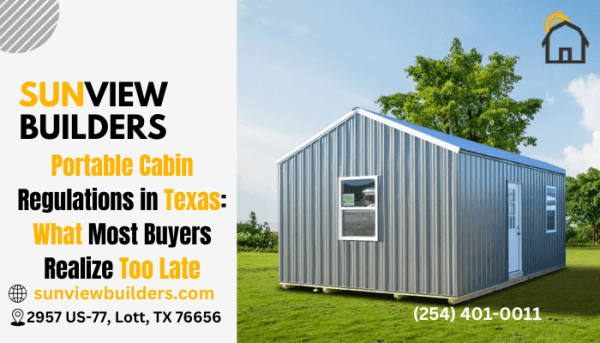
If you are planning to place a portable cabin in Texas, the biggest mistake is assuming it is just a “drop it and use it” situation. The reality is a mix of zoning rules, permits, land restrictions, and city-specific requirements that can change how, where, and even whether you can install your cabin the way you originally imagined.
At Sunview Builders, we work with customers who want simplicity, but also want things done right the first time. This guide breaks down what actually matters before you place a portable cabin on your land in Texas, without legal confusion or overwhelm.
The Truth About Portable Cabins in Texas
Texas is not one single rulebook. It is a patchwork of cities, counties, and rural zones. That means your cabin rules in one town may be completely different just 30 minutes away.
Here is the simple reality:
- Some rural areas are flexible and allow cabins with minimal paperwork
- Most cities require permits before installation
- Many places enforce setbacks, zoning rules, and size limits
- Some areas restrict usage like living full-time or using as an ADU
So the first decision is not the cabin itself, but the land.
7 Things Nobody Tells You Before Installing a Portable Cabin
1. A “portable” cabin still often needs a permit
Even if your cabin arrives fully built, most Texas cities treat it like a permanent structure. That usually means a building permit, site plan approval, and sometimes inspections.
2. Where you place it matters as much as what you buy
Setback rules decide how close your cabin can sit to property lines, roads, septic systems, or existing buildings. One wrong placement can delay approval or force relocation.
3. Size can change everything
In many cities, small structures may qualify for simplified rules, but once you cross a size threshold, full building code compliance kicks in.
4. Utility connections trigger extra approvals
Adding electricity, plumbing, or HVAC often creates a separate permit requirement. Even if the cabin itself is approved, utilities can still pause the project.
5. ADU rules are strict in cities
Some areas allow accessory dwelling units, but they usually come with design restrictions, occupancy limits, and zoning approval. Not every cabin automatically qualifies as an ADU.
6. Tiny home use is not guaranteed
Even if your cabin looks like a tiny home, many cities do not allow full-time residential use unless specific housing codes are met.
7. Rural does not always mean unrestricted
Even outside city limits, counties may still enforce basic rules for safety, septic systems, and land use planning.
Common Portable Cabin Uses in Texas
Before diving into regulations, it helps to be clear about how most people actually use portable cabins:
- Backyard storage and workshops
- Guest houses or family space
- Home offices or creative studios
- Farm and ranch utility buildings
- Weekend or recreational cabins
- Future conversion into living space
Each use case can fall under different rules depending on location.
Do You Always Need a Permit?
Not always, but most of the time.
In general:
- Small sheds in rural areas may not require permits
- Most cabins in city limits require full approval
- Anything used for living usually requires full compliance
- Electrical or plumbing additions almost always require permits
The safest approach is simple. Always check before installation, not after delivery.
The Typical Approval Process in Texas
While each city has its own system, most follow a similar pattern:
- You submit a permit application
- You provide a site plan showing cabin placement
- Zoning officials review land use rules
- Building officials review structure and safety requirements
- You pay fees based on size or project value
- Approval is issued before installation
- Final inspections may be required after placement
It sounds formal, but when done correctly, it protects your investment.
Before You Place a Cabin: Quick Smart Checklist
Before ordering or installing, make sure you confirm:
- What your land is zoned for
- How far structures must be from property lines
- Whether your cabin size triggers a permit
- If utilities require separate approval
- If septic or water systems are affected
- Whether HOA rules apply
- If your cabin use is allowed long-term
This checklist alone prevents most delays and unexpected costs.
Why This Matters for Your Investment
A portable cabin is not just a structure. It is a long-term decision about land use, property value, and future flexibility.
Skipping permits or ignoring zoning rules can lead to:
Stop-work orders
Fines or penalties
Forced relocation
Insurance issues
Complications during property sale
Doing it properly is not about paperwork. It is about protecting what you are building.
How Sunview Builders Helps You Move Smarter
At Sunview Builders, we do more than deliver prefab structures. We help customers think through the entire process before installation so their project is smooth, compliant, and stress-free.
We specialize in:
Prefabricated portable cabins
Custom backyard structures
Storage sheds and utility buildings
3D design planning before build
Rent-to-own friendly options
Our goal is simple. You focus on what you want your space to become. We help you get it built the right way.
Final Thoughts
Portable cabins in Texas open the door to extra space, rental potential, personal retreats, and functional property upgrades. But the success of your project depends less on the cabin itself and more on how well you understand your land rules before installation.
When you combine the right structure with the right planning, your cabin becomes more than a building. It becomes a long-term asset that actually works for your life.
If you are planning a portable cabin in Texas and want clarity before you commit, Sunview Builders is here to help you plan it the right way from the start.