
10 Must-Ask Questions Before Buying a New Portable Building
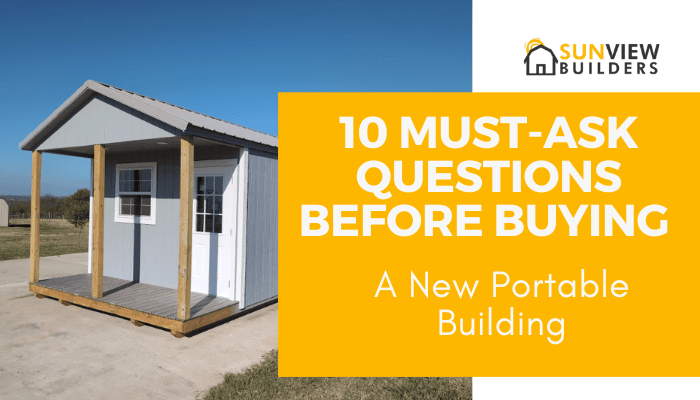
Buying a portable building might seem simple at first, but there’s more to it than picking a size or style. Whether you need a storage shed, utility shed, chicken coop, horse barn, or even a tiny home, the right building can make your life easier, but the wrong one can lead to frustration, wasted money, and limited functionality.
Before making a decision, it’s important to ask the right questions. Doing so helps you understand the building’s purpose, size, materials, customization options, and long-term durability. This guide will walk you through 10 essential questions to ask before purchasing a portable building, so you can make a confident choice and get a structure that truly fits your needs.
1. What will I use the portable building for?
The first step is to be clear about how you’ll use the building. Is it for storage, hobbies, housing animals, or living in as a tiny home? The primary purpose will guide your decisions about size, layout, insulation, and materials. For example, a chicken coop needs proper ventilation, while a tiny home requires electrical and plumbing considerations. Defining the purpose up front ensures your building works for you from day one.
2. How much space do I really need?
It’s easy to underestimate space requirements. Think about what you plan to store, the number of animals you’ll house, or how much living space you need if it’s a tiny home. Include room for future growth, not just current needs. Consider interior layout—will you need shelving, stalls, partitions, or a loft? A slightly larger building is usually a better investment than one that feels cramped in a few months.
3. What building materials are best for my situation?
Portable buildings are typically made of wood, metal, or a combination. Wood is visually appealing and provides natural insulation, but it requires regular maintenance to resist moisture, insects, and rot. Metal is durable, low-maintenance, and pest-resistant but can heat up in summer and get cold in winter if not insulated. Your choice should consider local weather conditions, intended use, and how much upkeep you’re willing to do.
4. Does the building have proper ventilation and insulation?
Even a shed or animal shelter can develop issues if airflow and temperature control aren’t addressed. Ask about vents, windows, and insulation options. Proper ventilation prevents moisture buildup and heat stress, while insulation helps maintain a comfortable environment for animals or living spaces year-round. This is especially important for chicken coops, horse barns, or tiny homes.
5. What type of foundation will I need?
The foundation is a critical factor in durability and stability. Portable buildings may sit on gravel, concrete blocks, or full concrete slabs. Some may even require leveling or additional support. A solid foundation keeps your building level, prevents water damage, and extends its lifespan. Make sure you understand what’s needed and whether your property can accommodate it.
6. Are there local permits or building codes I need to follow?
In Texas, the rules for portable buildings vary depending on the county, city, and intended use of your structure. Generally, permits may be required for:
- Structures over a certain size: Many cities require a permit for buildings larger than 120–200 square feet.
- Residential use or living spaces: Tiny homes or structures with plumbing/electricity usually need additional permits.
- Special use structures: Buildings like barns, stables, or commercial storage may require inspection and zoning approval.
To get a permit, start by contacting your local city or county building department. They’ll tell you which permits are needed, how to submit your application, and any inspections required. Some permits may also require proof of foundation, utility access, or compliance with floodplain rules, depending on your location.
Understanding permits ahead of time prevents fines, delays, or having to relocate your building later. Working with a knowledgeable builder can also help guide you through the permit process efficiently.
7. How long is the building expected to last?
Durability varies by material, construction quality, and maintenance. Metal buildings often last decades with minimal upkeep, while wood can last just as long if properly maintained. Ask about warranties, expected lifespan, and recommended maintenance to understand the long-term value of your investment.
8. Can the portable building be customized to fit my needs?
Customization is one of the biggest advantages of portable buildings. Ask about options for door placement, windows, lofts, interior partitions, and utilities. A horse barn may need stalls and hay storage, a chicken coop needs nesting boxes, and a tiny home may require plumbing, electricity, and insulation. Customizing your building ensures it functions exactly the way you want.
9. How will delivery and installation work?
Even though portable buildings are designed to be easy to set up, access to your property can affect delivery. Ask how the building will be transported and installed, whether any site preparation is required, and if there are size restrictions for your property. Knowing the logistics ahead of time can prevent delays and surprises on installation day.
10. What is the full cost, including extras?
The base price may not cover all your needs. Additional features such as insulation, windows, doors, electrical wiring, and delivery can significantly increase the total cost. Calculate site preparation and maintenance expenses as well. Understanding the full investment helps you make an informed decision and avoid unexpected costs later.
Making the Right Choice
Buying a portable building doesn’t have to be overwhelming if you ask the right questions. Considering purpose, size, materials, ventilation, foundation, permits, durability, customization, delivery, and total cost will give you confidence that your new building meets both your immediate and future needs.
Whether you’re adding a shed for storage, a workshop, a chicken coop, a horse barn, or a tiny home, taking the time to plan and ask questions ensures your portable building serves you well for years to come.
Ready to find the perfect portable building for your property? Reach out to Sunview Builders today. Our team will help you explore sizes, materials, and customization options so you get a building that fits your needs perfectly. Contact us for a free quote and expert guidance!